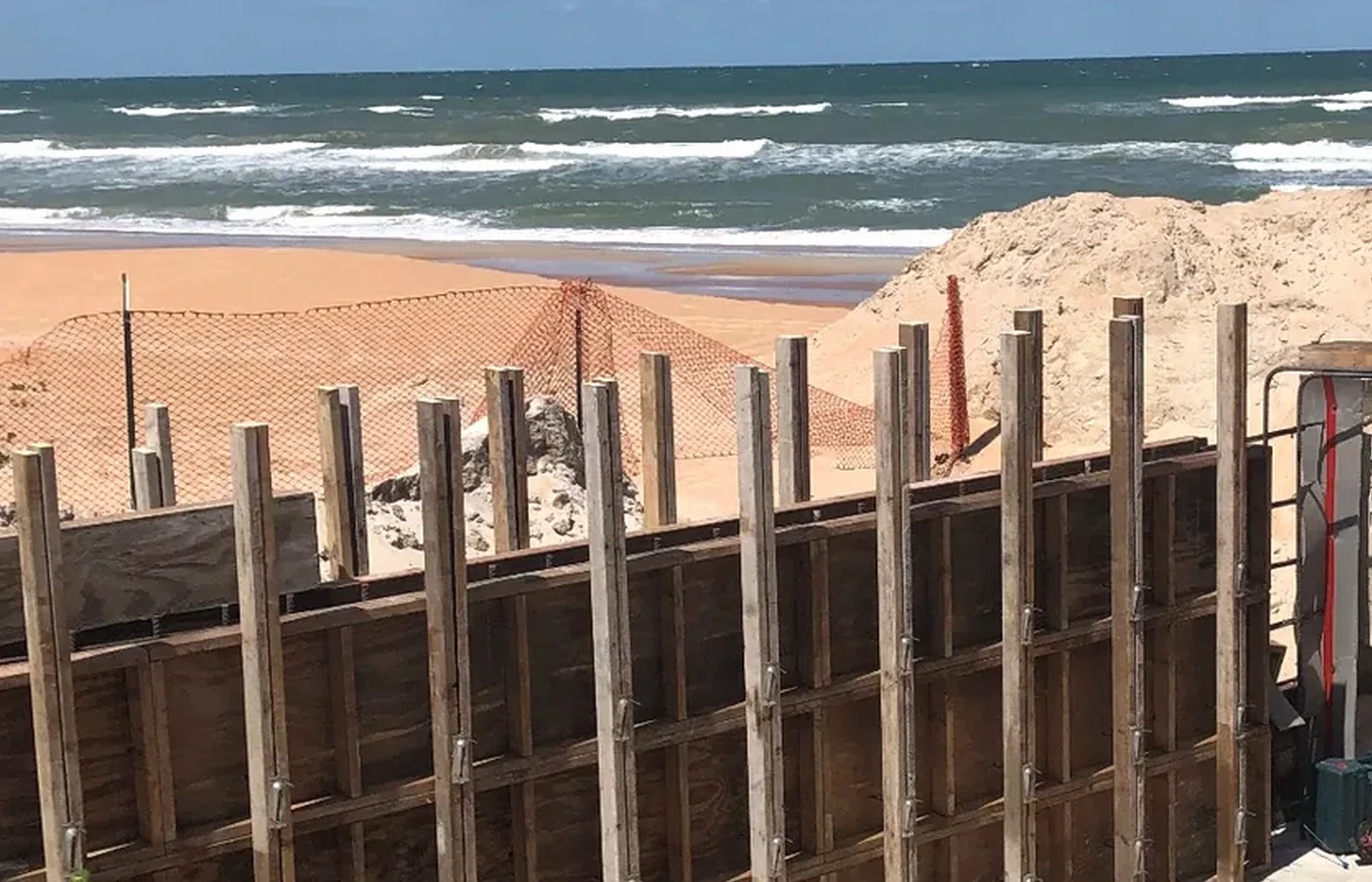
Marine construction permits in Florida: what to expect
Permitting is where a lot of waterfront projects stall. Here's how the process generally works in Florida.
Read →
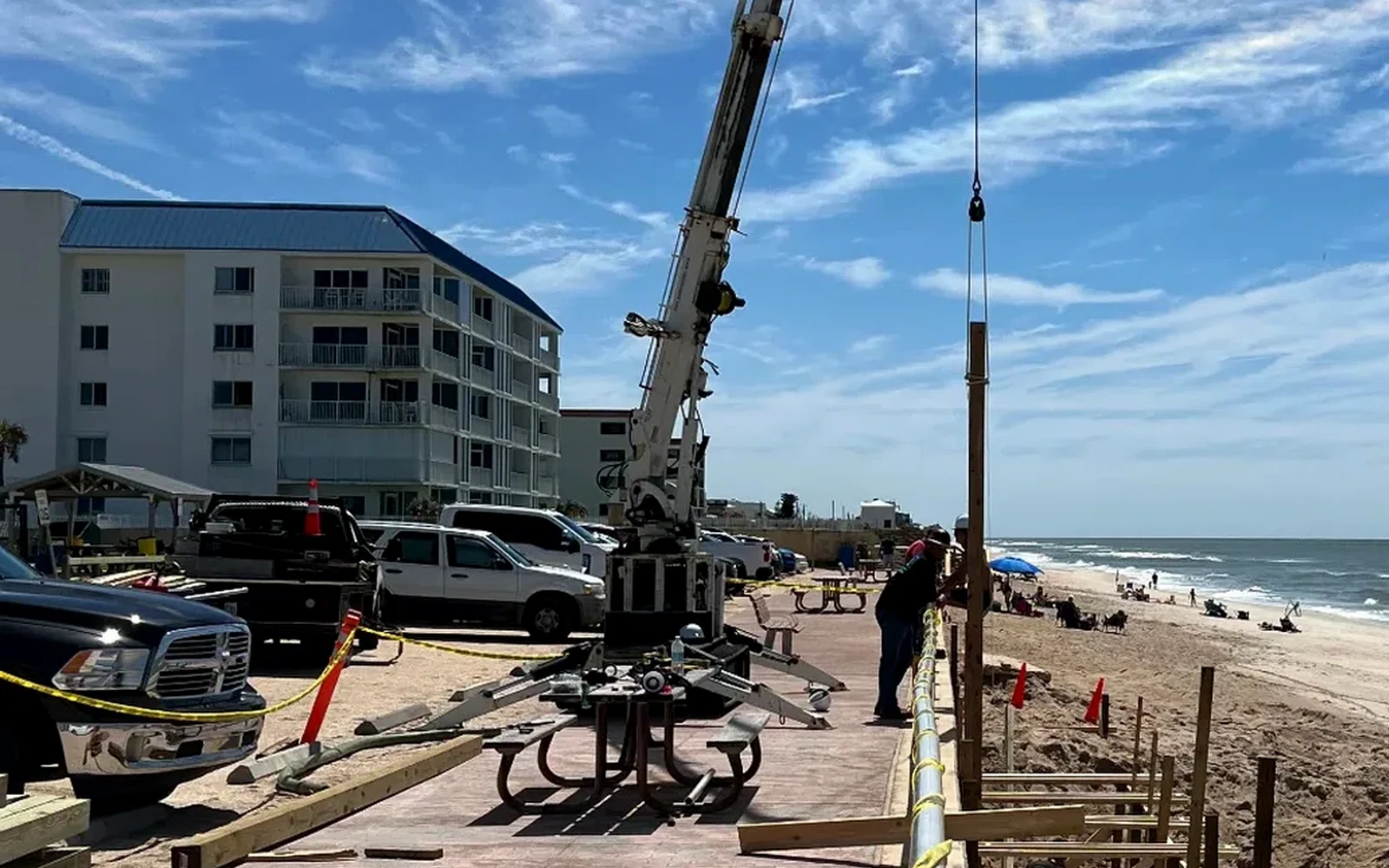
Home / Resources / Seawall, rip rap, or living shoreline: choosing the right protection
Three common ways to protect a Florida shoreline, and how to think about which one fits your property.
Most shoreline protection in Florida comes down to three approaches: a vertical seawall, a sloped rip-rap revetment, or a living shoreline. Each handles wave energy differently, costs differently, and permits differently. The right answer depends on your site — not on what's trendy.
A seawall is a vertical structure that reflects wave energy and holds back the upland behind it. Its big advantage is space: it preserves the maximum usable land right up to the water, which matters on tight canal lots. The trade-off is that reflecting wave energy can increase scour at the base, and walls take direct surge loading, so they have to be engineered and maintained.
Rip rap is graded stone placed on a sloped bank over filter fabric and bedding. Instead of reflecting wave energy, it absorbs and dissipates it, which reduces scour and is often gentler on neighboring shorelines. Rip rap can be more permit-friendly and lower-maintenance, but it occupies more of the bank, so you give up some usable space at the waterline.
A living shoreline stabilizes the bank using a combination of rock, natural materials, and plantings. Where conditions allow, it provides erosion control while supporting habitat and water quality — and regulators increasingly favor it. It isn't right for every site, particularly high-energy or deep-water locations, but it's worth considering.
On a site visit we look at water depth, soil, exposure to wakes and surge, how you use the waterfront, and what the permitting path looks like. Then we recommend the system that protects your property for the long term at a sensible cost. Sometimes that's a wall; sometimes it's rock; sometimes it's a hybrid.
Permitting is where a lot of waterfront projects stall. Here's how the process generally works in Florida.
Read →Seawalls usually warn you before they fail. Catch these signs early and a repair often beats a full replacement.
Read →Storm season is hard on waterfront structures. A little preparation protects your investment.
Read →Call, email, or request a free estimate for seawalls, docks, boat ramps, marina work, dredging, and large-scale marine construction across Florida.