Home / Materials & Methods
The right material for the water it lives in.
There's no single best material for a Florida waterfront — only the right one for the site. Here's how we think about the choices that determine how long your structure lasts.
Vinyl, concrete & composite
Vinyl sheet pile is corrosion-proof and cost-effective; concrete offers mass and rigidity; composite blends durability with low maintenance. The choice depends on water depth, soil, and exposure.
Composite, treated wood & aluminum
Composite decking is low-maintenance and long-lasting; pressure-treated lumber is economical and proven; aluminum is light and corrosion-resistant. We match decking to traffic, budget, and salt exposure.
Wood, concrete & steel
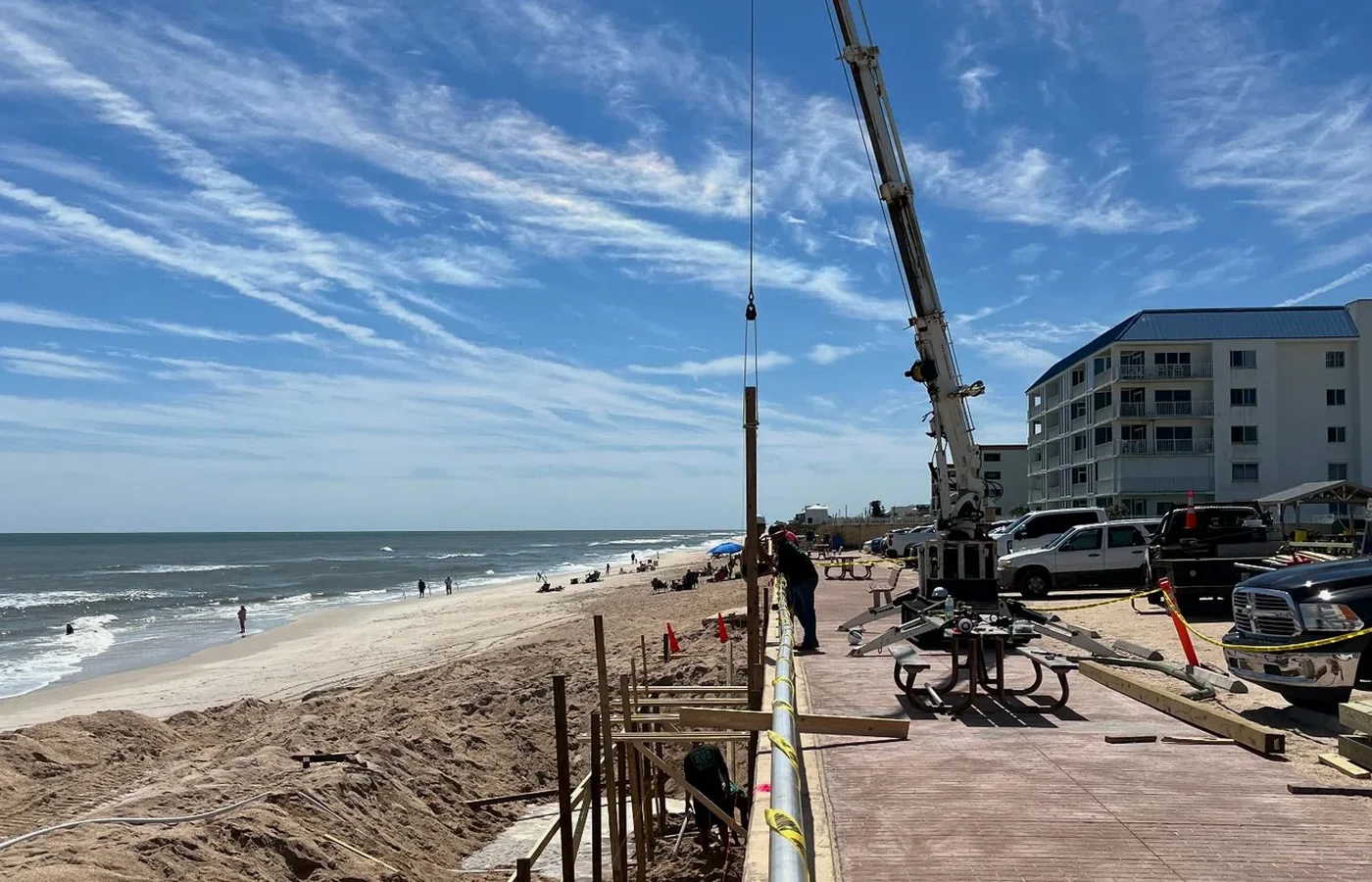
Pilings carry the load. We drive wood, concrete, or steel to the embedment depth the engineering calls for, so docks and marinas stay stable through wakes and surge.
Rip rap & living shoreline
Where a vertical wall isn't the best fit, graded stone over filter fabric — or a living shoreline of rock and plantings — absorbs wave energy and resists scour.
Corrosion-resistant throughout
Salt destroys ordinary fasteners. We use hot-dip galvanized and stainless hardware and detail connections to survive a marine environment.
The part you don't see
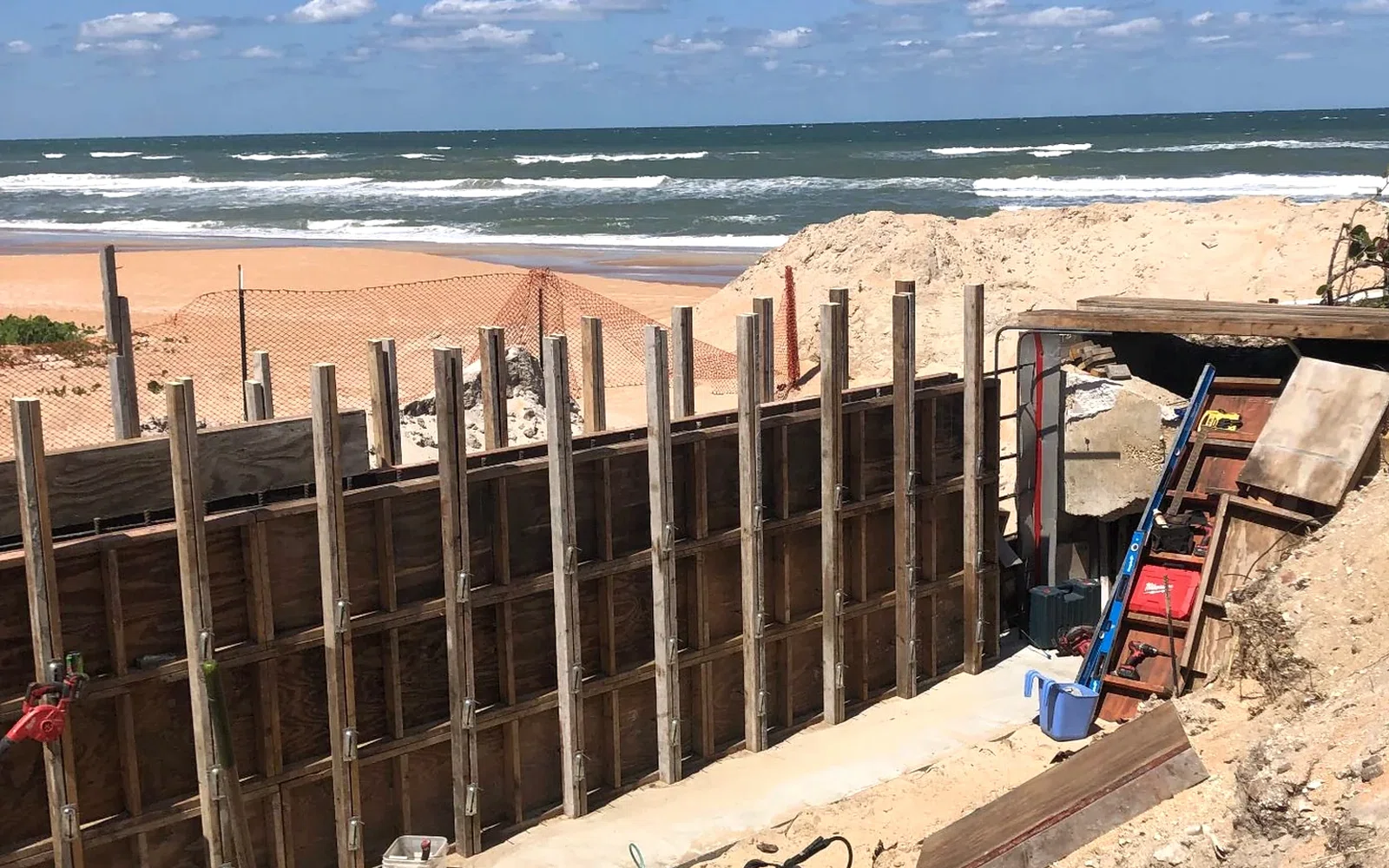
Behind every good seawall is weep/filter drainage and clean, compacted backfill that relieves water pressure — the detail that quietly determines whether a wall lasts.
How we recommend materials
On a site visit we weigh water depth, soil, exposure to wakes and surge, how the waterfront is used, and the permitting path — then recommend the system that protects your property for the long term at a sensible cost. Explore our services or how a project runs.
Ready to talk about your waterfront project?
Call, email, or request a free estimate for seawalls, docks, boat ramps, marina work, dredging, and large-scale marine construction across Florida.